This post may contain affiliate links, meaning I may earn a small commission at no extra cost to you if you make a purchase through them. These commissions help support my blog and allow me to continue creating content. Thank you for your support!
Stress has become a quiet companion in many of our lives. Whether it shows up as constant mental chatter, restless sleep, tight shoulders, digestive discomfort, or a general sense of overwhelm, chronic stress can slowly wear down both body and spirit. For many women—and men—between the responsibilities of work, family, caregiving, and the natural transitions of midlife, stress often feels unavoidable. I experienced this firsthand in my own career. During my time as an educator in the instrument reprocessing department, I often found myself waking up in the middle of the night to jot down ideas that seemed to come only while I was sleeping. I wondered why these insights didn’t occur during the day when I was at work. My mind was constantly racing, searching for solutions to the challenges we faced in the department.

How can we help both the brain and body slow down and truly relax? Conventional medicine certainly offers many approaches to managing stress, but more and more people are seeking gentler options—natural methods that work with the body rather than against it. This is where herbal remedies and alternative practices step in, steadily demonstrating their value over time.
Herbs have been used for centuries across cultures to calm the mind, nourish the nervous system, and help the body adapt to daily pressures. Rather than forcing the body into a state of relaxation, herbs tend to support balance, encouraging a gradual return to calm. When used thoughtfully, they can become part of a simple daily ritual that brings both physical relief and emotional comfort.
In this article, we’ll explore herbal remedies for stress that are easy to incorporate into everyday life. From soothing herbal teas and convenient tinctures, you’ll discover natural options that can gently support stress resilience. Whether you’re new to herbal wellness or looking to deepen your practice, this guide is designed to help you choose herbs with confidence and care.
Understanding Stress and How Herbs can Help
Stress, in its natural form, is meant to be a short-lived messenger—like a smoke alarm that sounds briefly to alert us to danger and then falls silent once the threat has passed. In today’s world, however, that alarm often keeps ringing. Deadlines, emotional responsibilities, constant connectivity, and life transitions can turn stress from a momentary signal into a steady background hum that the body never quite escapes.

When stress becomes chronic, the nervous system stays on high alert, much like an engine left idling for too long. Over time, this constant state of readiness can drain our internal reserves. Sleep may become lighter or restless, digestion may slow or become irregular, muscles remain subtly tense, and the mind can feel scattered or overwhelmed. Instead of flowing smoothly, the body’s systems begin to work against one another.
Compared to modern pharmaceutical products, herbal remedies offer support in a way that feels less like flipping a switch and more like gently guiding the body back into rhythm. Rather than forcing relaxation, herbs act as quiet companions, reminding the nervous system how to soften and recalibrate. Think of them as skilled gardeners tending to the soil rather than tugging on the leaves—nourishing the foundation so balance can naturally return.
From a scientific perspective, many herbs influence the body’s stress response by interacting with the nervous system and hormonal pathways. As noted in Frontiers in Pharmacology, “Adaptogenic herbs increase the body’s resistance to stressors of all kinds, whether physical, chemical, or biological.”
So, what exactly are adaptogenic herbs? Adaptogens are active compounds found in certain herbs and plants that help the body adapt to stress. According to the Cleveland Clinic, “Adaptogens are active ingredients in certain plants and mushrooms that may impact how your body deals with stress, anxiety, and fatigue.”
This helps explain why some herbs do not simply calm or stimulate the body. Instead, they support balance, helping the body respond more appropriately to stress—much like a thermostat that adjusts itself rather than blasting heat or cold.
What makes herbs especially appealing is their versatility and gentle nature. They can be introduced gradually, woven into daily routines, and adapted to different stages of life. When used consistently, herbal remedies do not override the body’s innate wisdom; they work with it, offering steady support as the body naturally finds its way back to calm.
Herbal Teas for Stress Relief: Comfort in a Cup
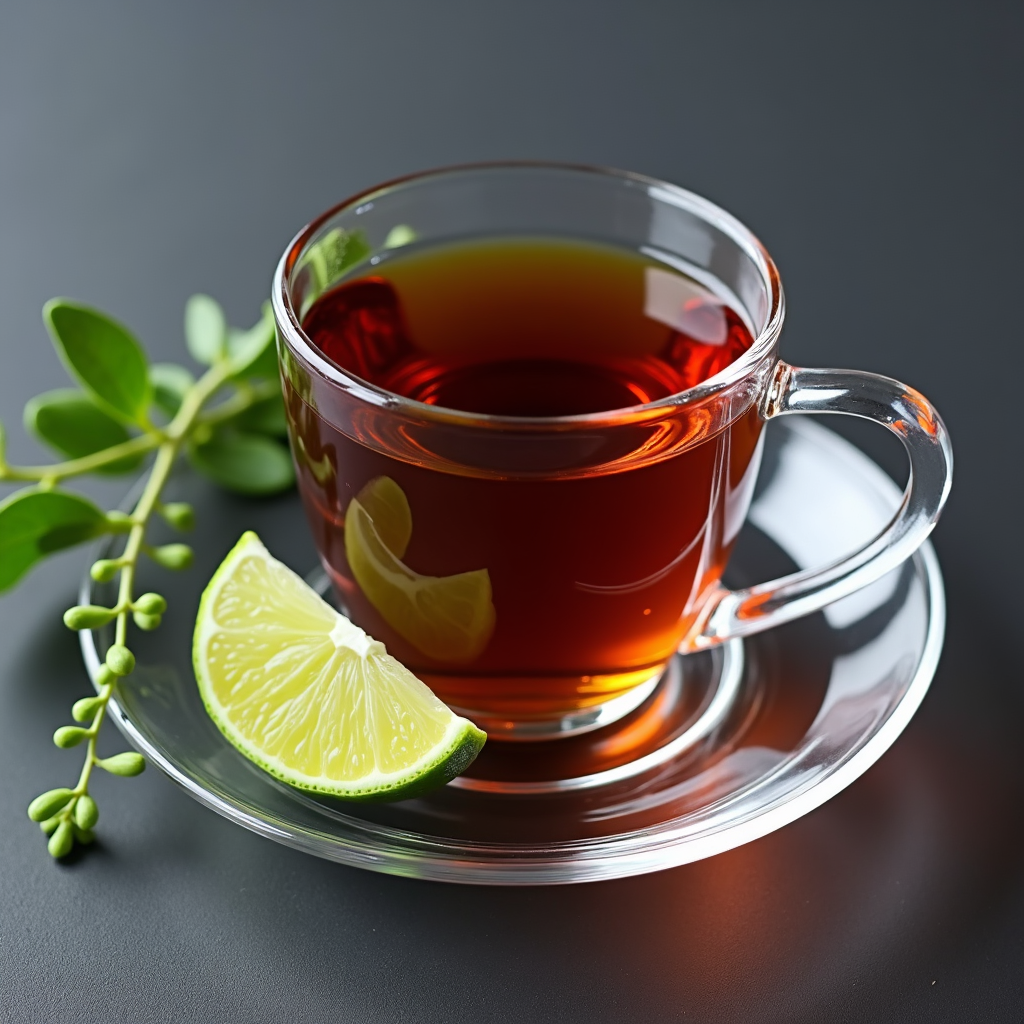
There is something quietly reassuring about a warm cup held between both hands. Long before we understand the chemistry of herbs or the language of the nervous system, we instinctively know that warmth soothes, that slowing down helps, that comfort often begins with a simple ritual. Herbal tea offers more than hydration—it creates a pause, a small sanctuary in the middle of an otherwise demanding day.
Imagine stress as a fast-moving river. When life is calm, we wade through it with ease. When stress builds, the current quickens, pulling at our thoughts and emotions. Herbal tea acts like stepping onto the riverbank for a moment—allowing the water to rush past while you stand still, grounded and safe. The act of preparing tea signals to the body that it is allowed to slow down, even before the herbs themselves begin their work.
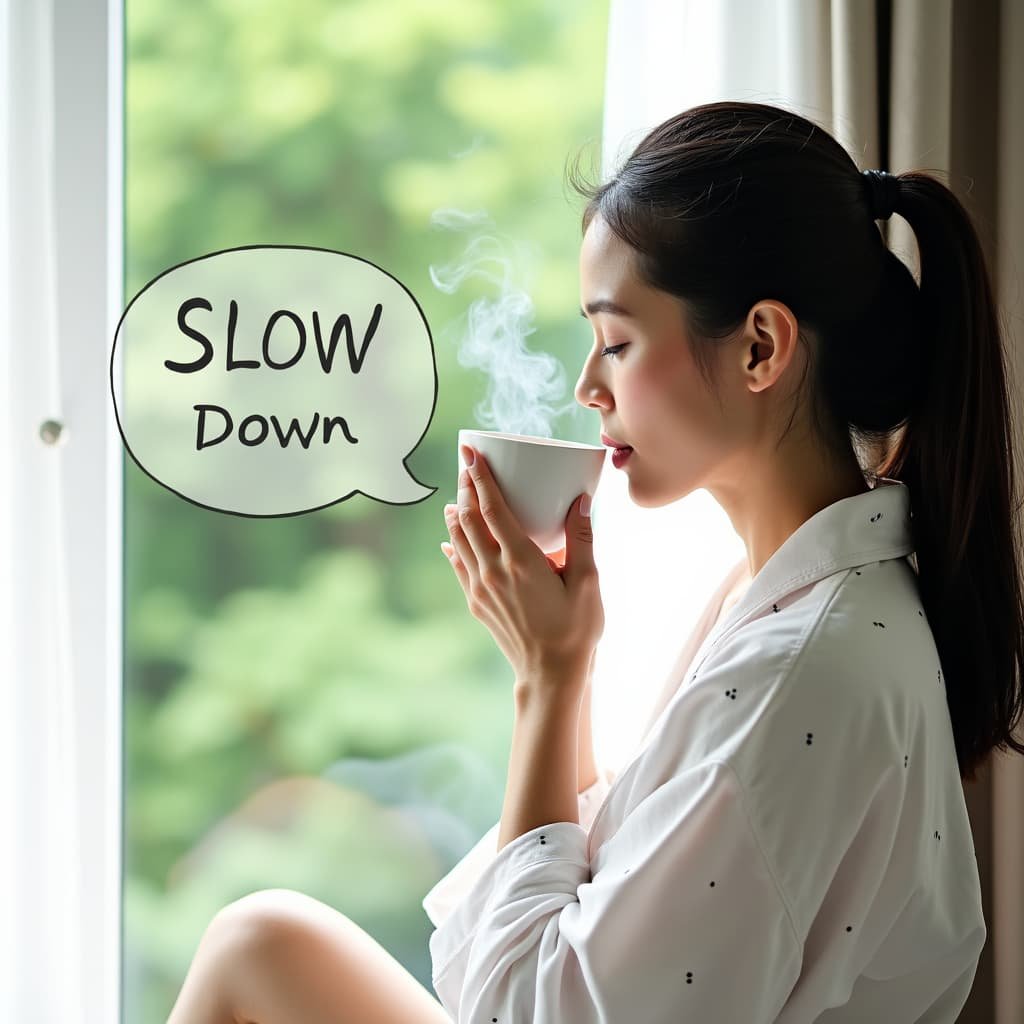
For many people, tea becomes a gentle anchor in the day. A morning cup can feel like a quiet intention, a midday brew like a deep breath, and an evening infusion like a soft landing after hours of mental noise. Over time, these moments form a rhythm, teaching the nervous system that calm is something it can return to again and again.
Different herbs offer different kinds of comfort, much like friends who show up in their own unique ways. While some herbal teas provide immediate calming relief, others—such as tulsi—work more gradually, helping the body build resilience to stress rather than simply easing it in the moment.
Adaptogenic Teas: Gentle, Plant-Based Support
Chamomile tea is often the first herb people turn to for stress relief and relaxation—and for good reason. Its delicate, apple-like aroma feels like a gentle lullaby for the nervous system. Chamomile is especially supportive when stress manifests as restlessness, digestive discomfort, or difficulty winding down at night. Rather than sedating the body, it reassures—softly guiding it toward a state of calm and rest.
Lemon balm tea feels like sunlight breaking through clouds. Bright, lemony, and subtly uplifting, it’s ideal for the kind of stress that brings anxious thoughts or a fluttery feeling in the chest. Lemon balm helps calm the nervous system while also supporting mental clarity, making it a lovely choice for overwhelmed afternoons or emotionally heavy days.
Tulsi (Holy Basil) tea feels grounding yet gently energizing, like standing barefoot on warm earth. Often used when stress and fatigue go hand in hand, tulsi supports emotional balance and resilience. It’s a wonderful daily tea for those navigating long-term stress or life transitions, offering steady support rather than quick relief.
Ashwagandha tea feels like a deep exhale for the entire body. Earthy and grounding, it works quietly in the background, strengthening rather than soothing on the surface. Instead of calming stress in the moment like a lullaby, ashwagandha acts more like roots sinking deeper into the soil—helping the body feel steady, supported, and less shaken by daily pressures. Especially helpful when stress shows up as fatigue, burnout, or restless sleep, this adaptogenic tea is best enjoyed consistently, allowing its benefits to build over time as it gently supports the nervous system and encourages a sense of long-term resilience.
Tinctures: Concentrated Herbal Support for Busy Lives
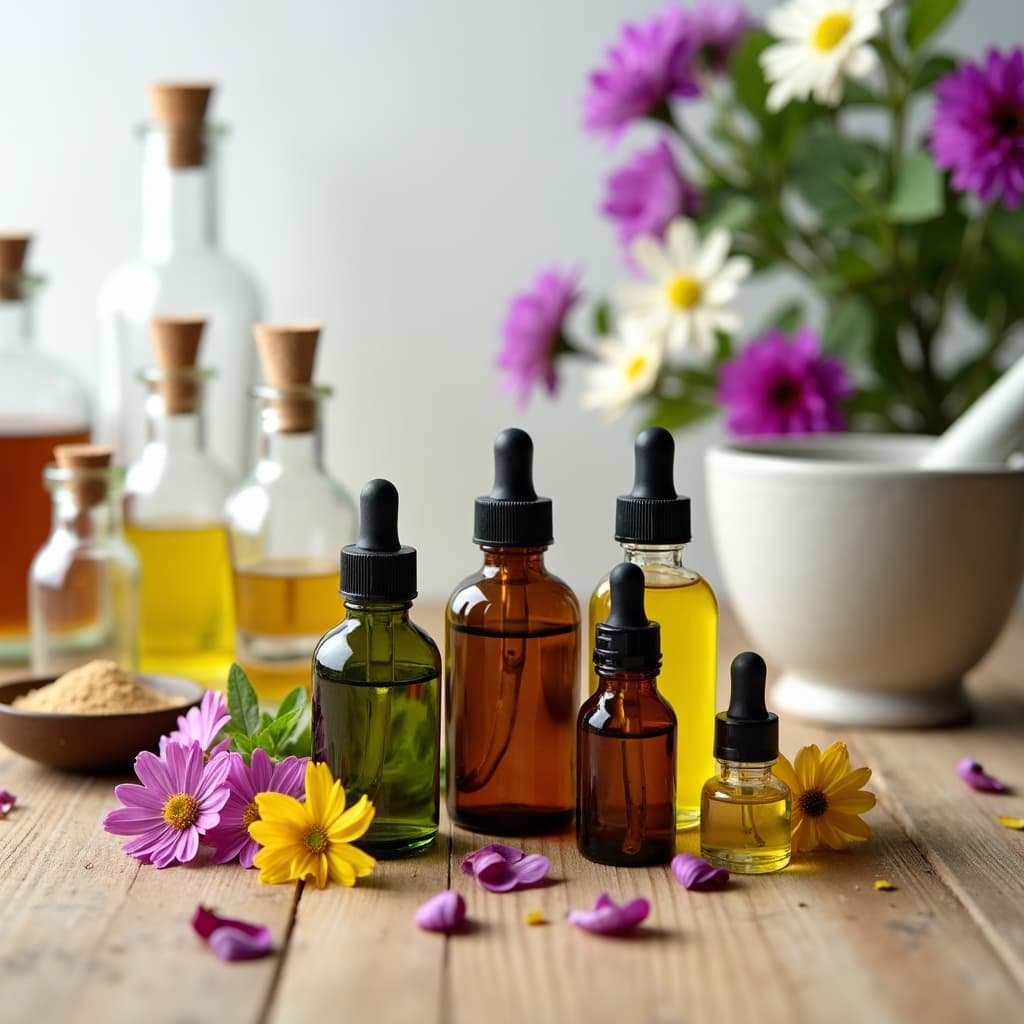
If herbal teas are a slow, winding path through a quiet garden, herbal tinctures are the well-worn shortcut—direct, efficient, and surprisingly powerful in small doses. Designed for modern lives that don’t always allow time to pause, tinctures offer concentrated herbal support that can be taken in seconds, yet work deeply beneath the surface.
Herbal tinctures are liquid extracts made by soaking plant material—such as leaves, roots, or flowers—in alcohol or glycerin. This process gently draws out the plant’s active compounds, capturing its essence much like sunlight stored in a drop of amber. The result is a potent, shelf-stable form of herbal medicine that delivers support quickly and effectively.
Because tinctures are absorbed through the tissues of the mouth and digestive system, they act directly on the nervous system—bypassing much of the slow digestion required by teas or capsules. A few drops under the tongue or in a splash of water can feel almost immediate, making tinctures especially useful during moments when stress spikes unexpectedly.
For people juggling work, caregiving, travel, or full schedules, tinctures become quiet allies tucked into a bag or pocket. They’re there during tense meetings, long drives, sleepless nights, or emotionally demanding days—offering support without the need for boiling water or preparation. In this way, tinctures meet stress where it lives, instead of asking life to slow down first.
Unlike teas, which often feel nurturing and ceremonial, tinctures shine in their precision. They allow for flexible dosing and can be taken consistently over time, which is particularly beneficial for herbs that work gradually, such as adaptogens. Used daily, they help rebuild resilience layer by layer, like reinforcing a structure from the inside out.
Popular AdaptogenicTinctures
When stress becomes less about occasional overwhelm and more about long-term wear and tear, adaptogenic tinctures offer a deeper kind of support. These herbs don’t rush the body into calm; instead, they work gradually, helping restore balance and resilience over time—much like strengthening the foundation of a house rather than patching a single crack. Taken consistently, adaptogenic tinctures help the body respond more wisely to stress, supporting energy, mood, and nervous system health without forcing or overstimulating. The following are some of the most popular and well-loved adaptogenic tinctures, each offering its own unique form of steady support.
Ashwagandha – A deeply grounding adaptogen that supports the nervous system, balances stress hormones, and helps restore energy and sleep when stress has become chronic.
Rhodiola – An uplifting adaptogen that enhances mental stamina and resilience, making it especially helpful during periods of fatigue, burnout, or emotional overwhelm.
Reishi – A calming adaptogen that supports emotional balance, immune health, and restful sleep, particularly during times of prolonged or deeply rooted stress.
Eleuthero (Siberian Ginseng) – A steady, strengthening adaptogen that improves endurance and stress tolerance without overstimulation, supporting long-term resilience.
Holy Basil (Tulsi) – A harmonizing adaptogen that helps regulate the stress response while supporting emotional clarity and a sense of calm focus throughout the day.
Schisandra – A balancing adaptogen that supports mental focus, liver health, and hormonal balance, helping the body stay centered under pressure.
How to Use Tinctures Safely
Using herbal tinctures is less about precision and more about attentive listening. Think of tinctures like seasoning a meal—too little may go unnoticed, too much can overwhelm the senses, but just the right amount enhances everything without drawing attention to itself. When approached with care and respect, tinctures can become steady allies rather than blunt tools.
Most tinctures are taken in small amounts, often measured in drops rather than spoonfuls. Because they are concentrated, a little goes a long way. Starting with a lower dose allows you to observe how your body responds, much like dipping a toe into water before fully stepping in. Over time, you can gently adjust the amount if needed, guided by your own experience rather than urgency.
Tinctures can be taken directly under the tongue for quicker absorption or diluted in a small amount of water or tea. Holding the liquid briefly in the mouth allows the herbs to begin working almost immediately, like a quiet message passed straight to the nervous system. For those sensitive to taste or alcohol, glycerin-based tinctures or dilution can make the experience gentler and more enjoyable.
Consistency matters more than intensity, especially with adaptogenic herbs. Rather than expecting dramatic, overnight results, tinctures work best when taken regularly—like watering a plant a little each day instead of flooding it all at once. Their benefits tend to build gradually, strengthening the body’s stress response over time.
Safety Considerations and Gentle Reminders
Working with adaptogenic herbal teas and tinctures is much like forming a new friendship—supportive, meaningful, and best approached with patience and respect. These herbs are generally gentle, but they are also active participants in the body’s systems, and they deserve to be used thoughtfully rather than casually.
One of the most important reminders is that natural does not mean neutral. Adaptogens interact with the nervous system, hormones, and stress-response pathways, and each body responds a little differently. What feels grounding and restorative for one person may feel too stimulating or too heavy for another. Listening closely to your body’s feedback is key; subtle shifts in sleep, energy, digestion, or mood are often the first signals worth noticing.
Adaptogenic herbs tend to work best when introduced slowly. Starting with small amounts allows the body to adjust, much like letting your eyes adapt when stepping into softer light. This is especially important for those who are sensitive, experiencing high levels of stress, or navigating hormonal transitions such as perimenopause or menopause.
Certain life stages and circumstances call for extra care. Pregnancy, breastfeeding, chronic health conditions, and the use of prescription medications are times when professional guidance is especially important. Some adaptogens may influence blood pressure, thyroid activity, or hormone levels, and combining them without proper awareness can feel like mixing instruments without a conductor.
It’s also helpful to remember that adaptogens are not meant to override exhaustion. They are supporters, not substitutes, for rest, nourishment, and healthy boundaries. If stress feels overwhelming, adaptogenic teas and tinctures can offer support—but they work best alongside sleep, hydration, movement, and moments of genuine rest.
Ultimately, adaptogenic herbs invite a gentler relationship with wellness—one rooted in curiosity rather than control. When used with intention and care, they can become steady companions on the path toward balance, reminding us that healing often unfolds slowly, one thoughtful choice at a time.
Final Toughts
In a world that often rewards constant movement and productivity, herbal remedies invite us to slow down and listen—to our bodies, our rhythms, and our need for balance. Whether enjoyed as a comforting cup of tea, a few grounding drops of a tincture, or a daily ritual woven gently into everyday life, herbs remind us that support doesn’t have to be forceful to be effective. Over time, these small, intentional choices can help cultivate resilience, calm, and a deeper sense of well-being, even in the midst of life’s inevitable stresses.
Everyone’s health needs are unique, and herbal remedies are not one-size-fits-all. Before making any changes to your wellness routine—especially if you are pregnant, managing a health condition, or currently taking prescription medications—it’s important to consult with your healthcare provider or a qualified herbal professional to ensure that these choices are safe and appropriate for you.